The Western alliance under strain: implications for Africa
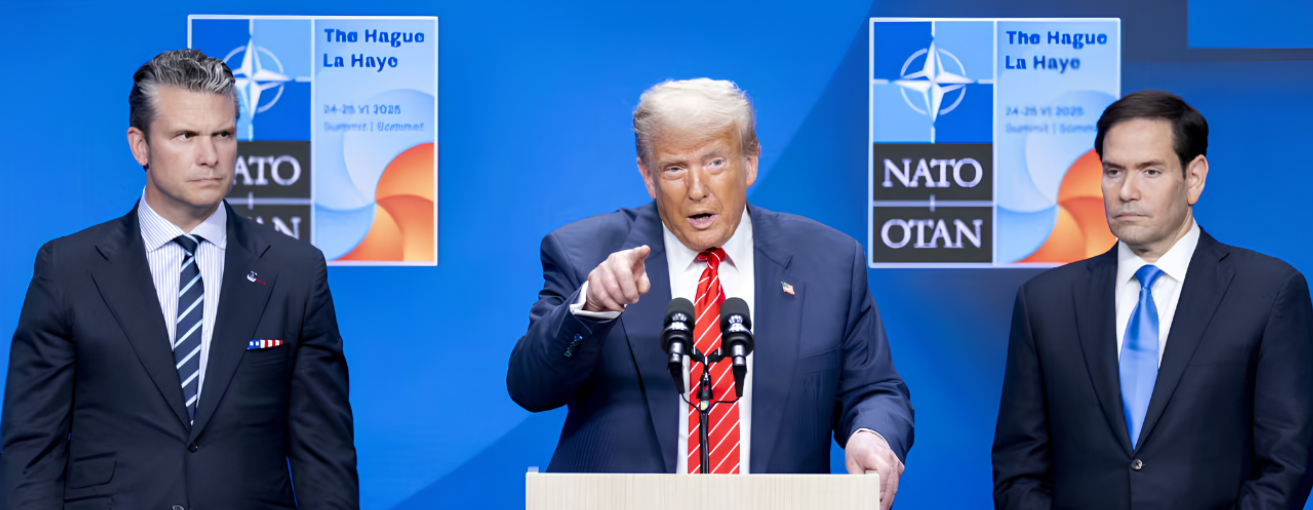
Could Western divisions increase African agency by encouraging more autonomous bilateral partnerships?
-
Date: 25 August 2026
-
Time: 15:00 - 16:30 (GMT+2)
-
Venue: Online via ISS Zoom
Overview
Shifts in United States foreign policy under the second Trump Administration are straining the Western alliance across defence, trade, technology and multilateral cooperation. For Africa, further fragmentation could reduce the predictability and coherence of development finance, security cooperation, humanitarian assistance and political engagement. Yet it may also create opportunities for greater African agency.
This dialogue explores whether Western divisions could encourage more autonomous bilateral partnerships between Western capitals and Africa, while giving African states greater scope to diversify external relations and negotiate more balanced partnerships.
This event is the third of a six-part series on global geopolitical developments and Africa’s security-development futures.
Moderator: Priyal Singh, Senior Research Consultant, Institute for Security Studies
Panelists:
- Lwazi Somya, Manager of Research, Policy and Stakeholder Engagement, Southern African Liaison Office
- Prof Bob Wekesa, Director, African Centre for the Study of the United States at the University of the Witwatersrand
- Sanusha Naidu, Senior Research Fellow, Institute for Global Dialogue (TBC)
Image: AFP Photo via Getty Images
Development partners



The ISS is grateful for support from the members of the ISS Partnership Forum: the Hanns Seidel Foundation, the European Union, the Open Society Foundations and the governments of Denmark, Ireland, the Netherlands, Norway and Sweden.
More to explore
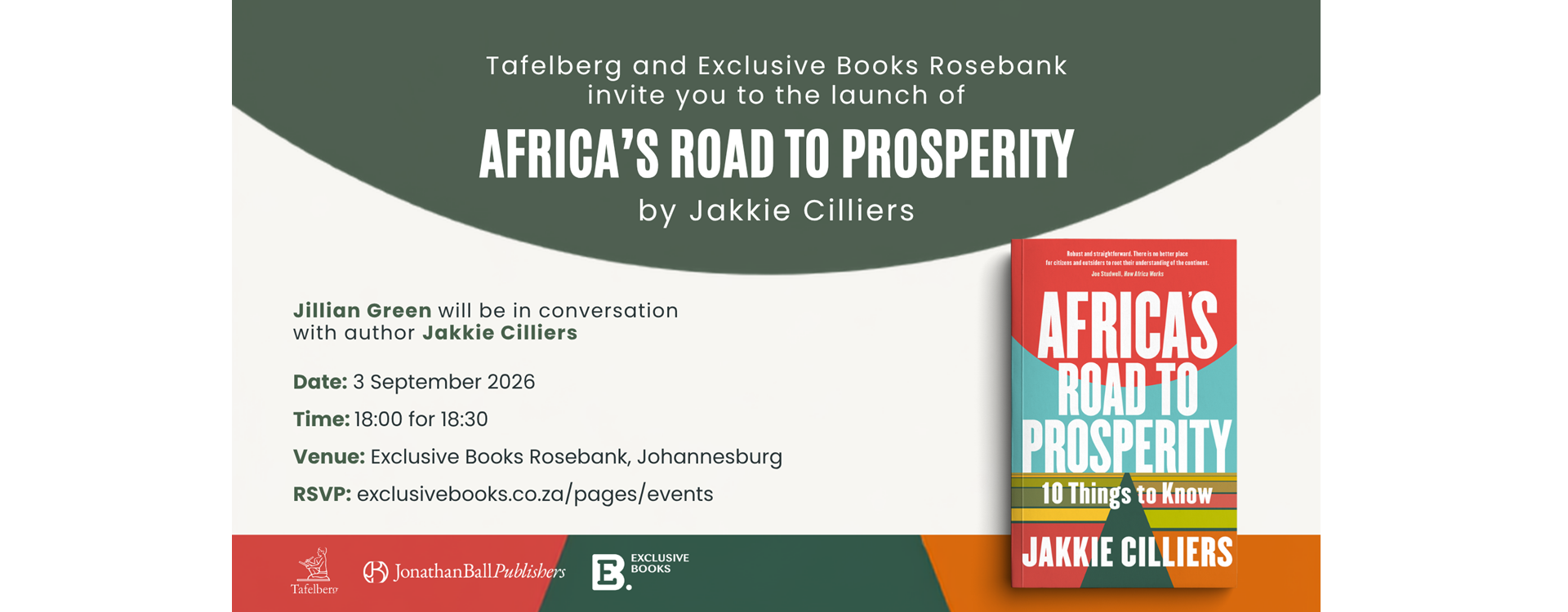
03 Sep 2026
Book Launch 2: Africa's Road to Prosperity
Jillian Green will be in conversation with author Jakkie Cilliers

27 Aug 2026
Book Launch 1: Africa's Road to Prosperity
Ottilia Anna Maunganidze will be in conversation with Prof Gilbert Khadiagala and Jakkie Cilliers

15 Feb 2026
Live: Munich Security Conference 2026
Official Munich Security Conference Side Event: Conversation on African Security
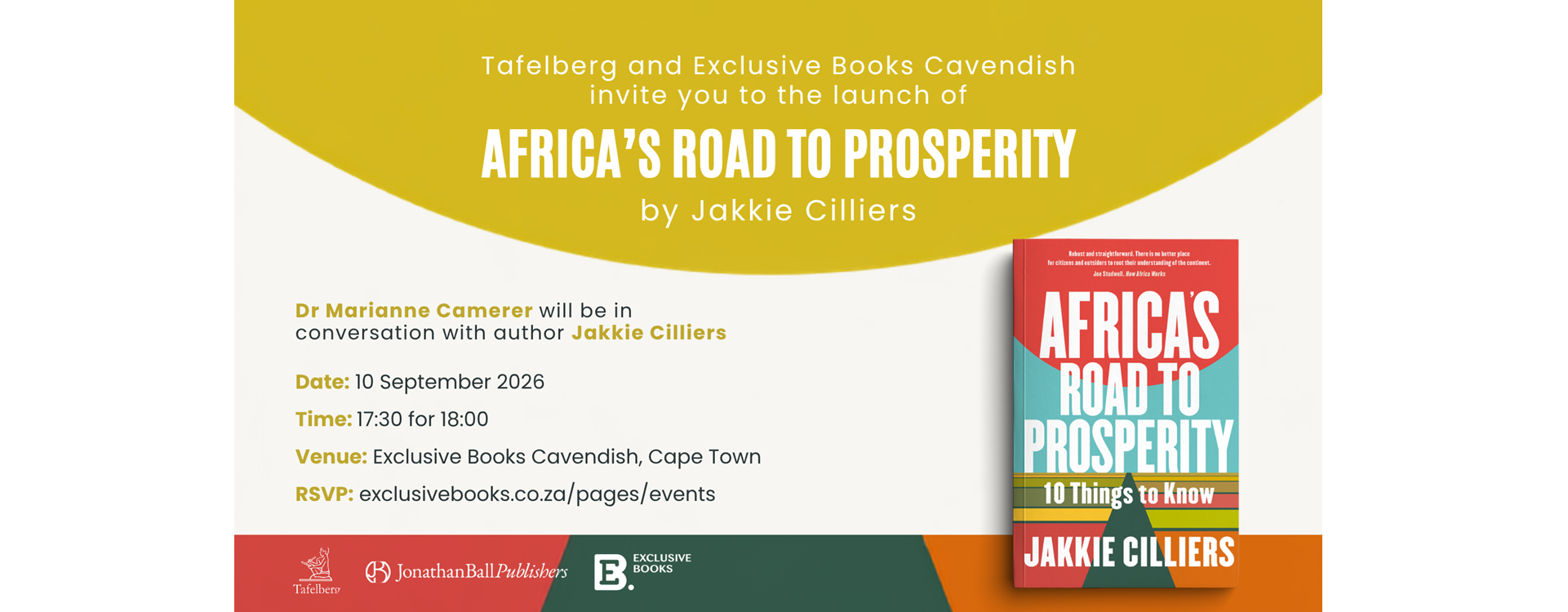
10 Sep 2026
Book Launch 3: Africa's Road to Prosperity
Dr Marianne Camerer will be in conversation with author Jakkie Cilliers