How global power shifts reshape Africa’s financial inflows

Africa needs more external finance, but can it convert that finance into development?
-
Date: 22 September 2026
-
Time: 15:00 – 16:30 (GMT+2)
-
Venue: Online via Zoom
Overview
Global economic and geopolitical shifts are changing the composition and sources of finance available to Africa. Aid from traditional donors is under pressure, remittances are increasingly important, and competition for foreign investment is intensifying. Yet attracting more finance alone will not guarantee stronger development outcomes.
Speakers at this seminar will discuss Africa’s changing external financing landscape and how governments can strengthen domestic absorptive capacity so that aid, remittances, foreign direct investment and portfolio investment translate into higher productivity, employment, government revenue and poverty reduction.
This event is co-hosted by the Institute for Security Studies (ISS), Federation of German Industries (BDI) and Megatrends Afrika.
Moderator: Michelle van Rooyen, Researcher, African Futures & Innovation, ISS
Presenter: Dr Marvellous Ngundu, Senior Researcher, African Futures & Innovation, ISS
Panelists:
- Dr Stefan Mair, Director, German Institute for International and Security Affairs, Stiftung Wissenschaft und Politik
- Vanessa Wannicke, Senior Expert, Development Policy and Foreign Trade Promotion International Affairs, BDI
- Dr Olivia Gumbo, Senior Policy Officer, Strategy and Operational Policies, African Development Bank, Côte d'Ivoire
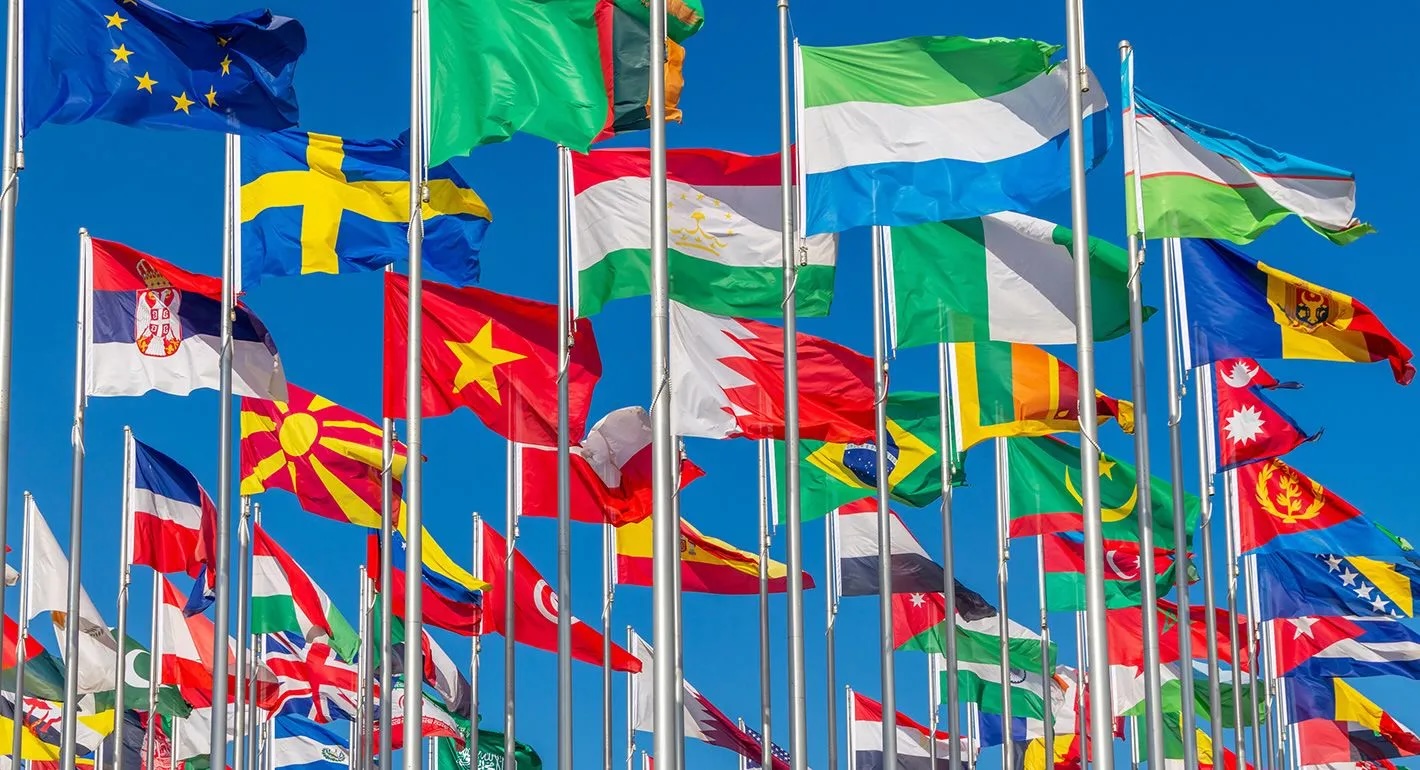
Image: Wirestock/ iStock / Getty Images Plus
Development partners


The ISS is grateful for support from the members of the ISS Partnership Forum: the Hanns Seidel Foundation, the European Union, the Open Society Foundations and the governments of Denmark, Ireland, the Netherlands, Norway and Sweden.
More to explore
23 Jun 2026
Can middle powers deliver for Africa?
The rise of middle powers could expand Africa’s diplomatic and development options, but there are risks to consider.

25 Aug 2026
Africa Futures Summit 2026
The 4th annual U.S.-Africa Futures Summit
05 Jan 2026
Year-end 2025
AFI will reopen on Monday, 5 January 2026
19 May 2026
Bridging Africa's infrastructure gap: pathways to inclusive growth
Africa can leapfrog costly legacy systems – but only with the right financing and governance choices.