Bridging Africa's infrastructure gap: pathways to inclusive growth
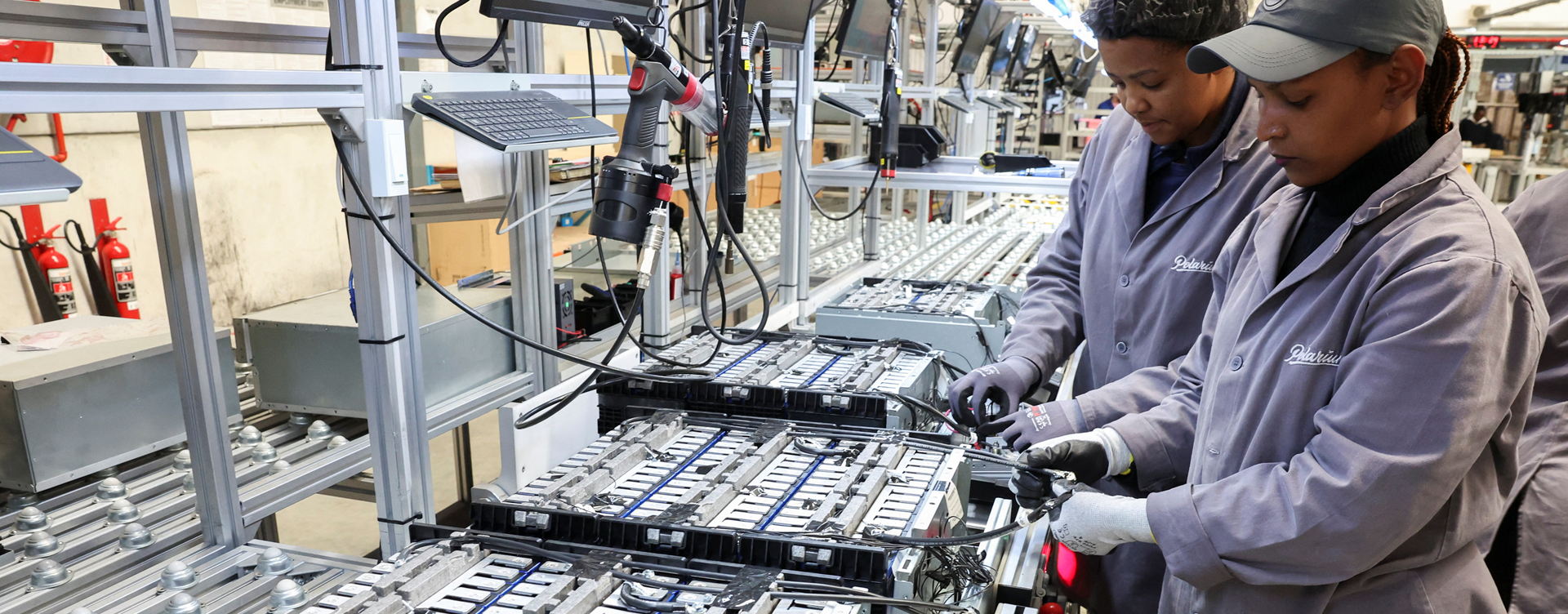
Africa can leapfrog costly legacy systems – but only with the right financing and governance choices.
-
Date: 19 May 2026
-
Time: 12:00 – 13:00 (GMT+2)
-
Venue: Online via Zoom
Overview
Africa’s infrastructure deficits constrain job creation and limit access to energy, transport and digital services. Drawing on the ISS African Futures and Innovation programme’s latest forecasts on large-scale infrastructure and leapfrogging pathways, this seminar examines how decentralised energy, digital public infrastructure and climate-resilient service delivery models can drive inclusive growth. Speakers will also consider the financing and governance choices needed to accelerate delivery amid fiscal pressure, climate risk and rapid urbanisation.
This webinar is co-hosted by the ISS and the AU Development Agency (AUDA-NEPAD). It is the third in the 2026 Erudite seminar series convened by the two organisations.
Moderator: Lukovi Seke, Principal Program Officer, African STI Indicators, AUDA-NEPAD
Panelists:
- Blessing Chipanda, Senior Researcher, African Futures & Innovation, ISS
- Brando Okolo, Head of Science, Technology and Innovation, AUDA-NEPAD
- Sulaiman Cisse, Associate Vice President, Africa Finance Corporation
Image: REUTERS/Esa Alexander
Development partners



The ISS is grateful for support from the members of the ISS Partnership Forum: the Hanns Seidel Foundation, the European Union, the Open Society Foundations and the governments of Denmark, Ireland, the Netherlands, Norway and Sweden.
More to explore

15 Feb 2026
Live: Munich Security Conference 2026
Official Munich Security Conference Side Event: Conversation on African Security
02 Jul 2026
Strategic Alliances: how critical raw materials are reshaping European-African relations
How can the interests of European and African stakeholders from different sectors be aligned?

10 Aug 2026
Call for contributions
African Futures Conference 2026

05 Feb 2026
South Africa’s future cities: facing up to hard choices
Considering the harsh reality revealed by long-term trajectories, how feasible are the country’s current urban plans?