Can Namibia balance state control and oil governance?

As Namibia prepares for its first oil, proposed institutional reforms raise important questions about efficiency, oversight and sustainable resource governance.
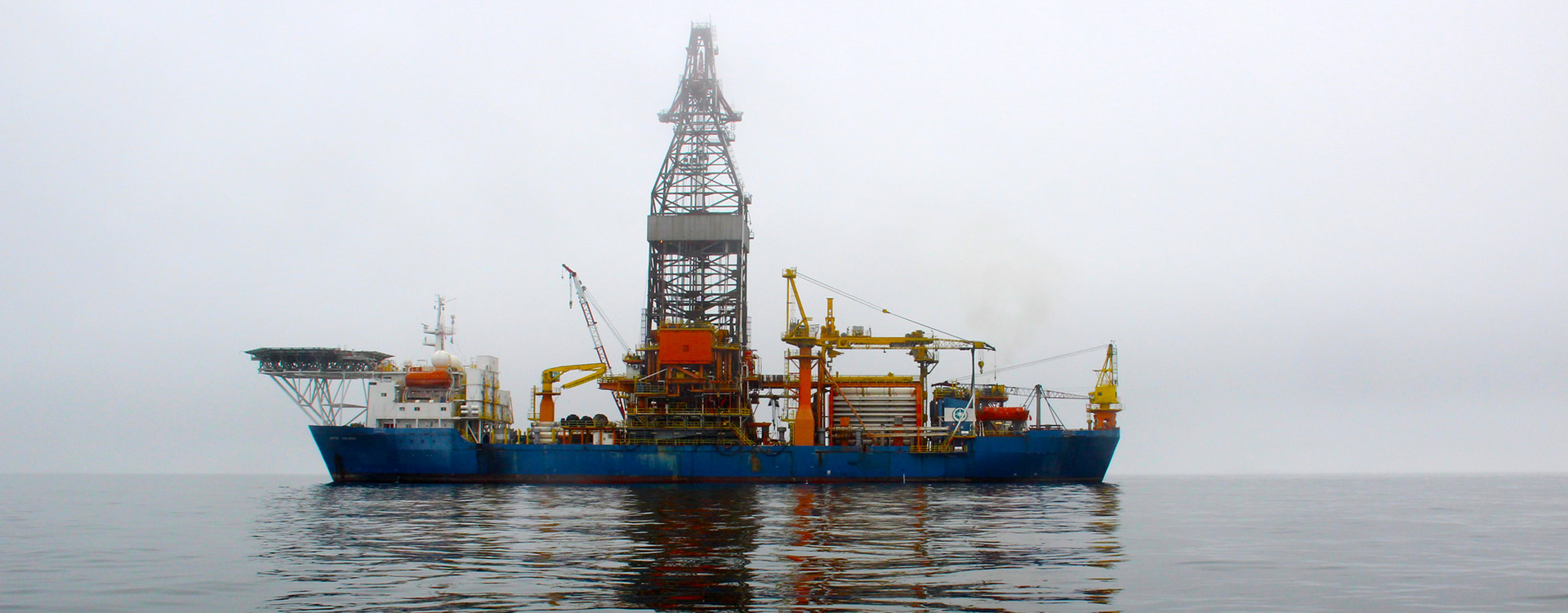
Namibia has emerged as one of Africa’s most promising new oil markets, marked by initial discoveries from Shell’s Graff-1X and TotalEnergies’ Venus-1X. As investor interest grows to explore Namibia’s offshore resources, the country faces pressures to draft legislation that will manage future revenue and safeguard its resources.
Since 2022, Namibia has frozen the issuance of petroleum exploration licenses (PELs) and proposed an amendment to the Petroleum Act of 1991, marking a shift toward centralisation and greater government oversight. Windhoek’s actions raise an important governance trade-off: does centralisation improve coordination and efficiency in emerging markets, or does it obscure governmental transparency and accountability?
Does centralisation improve coordination and efficiency in a complex emerging oil sector, or does it risk weakening institutional checks and transparency?
Namibia’s offshore basins are estimated to hold 11 billion barrels of oil, with government assessments ongoing; however, much of this oil remains technically complex and commercially challenging to develop. Gas management challenges and broader geological issues currently delay first oil beyond initial projections, pushing final investment decision (FID) timelines into the late 2020s. Despite the challenges, Namibia has attracted major international oil companies (IOCs), including TotalEnergies, Shell, Galp Energia and QatarEnergy.
Namibia’s upstream model typically permits the government-owned National Petroleum Corporation of Namibia (NAMCOR) to retain 10% carried interest in exploration licenses. There have been discussions about increasing this stake to a minimum of 20-30% in future projects, reflecting a broader ambition to secure greater national participation. However, greater state participation will also require significant investment, technical expertise and experienced operating partners to access Namibia’s deepwater reserves.
Namibia’s decision to pause new PEL issuance reflects a broader effort to strengthen state oversight and reassess the rapidly expanding offshore sector. At the same time, the freeze has concentrated participation among existing major IOCs, while limiting opportunities for direct entry through new licensing rounds. As a result, new entrants increasingly rely on mergers and acquisitions (M&A) to access existing projects. This can benefit mid-cap companies by allowing them to acquire smaller interests in PEL blocks without incurring upfront exploration costs while also connecting firms with partners to fill in-house gaps. However, because access increasingly depends on purchasing stakes in a limited pool of existing projects rather than obtaining new licences directly from the government, competition for available assets may raise acquisition premiums and favour larger, well-capitalised firms with greater financial flexibility.
As Namibia’s offshore sector expands and projects become increasingly complex, Namibia’s policymakers have sought to streamline decision-making processes and provide much-needed regulatory clarity for investors. Currently, the Minister of Industries, Mines and Energy, supported by the Petroleum Commissioner, oversees key aspects of the petroleum sector, including licensing, development, and project approval. This model may prove difficult to manage Namibia’s rapidly expanding offshore sector. For this reason, proposed amendments to the Petroleum Act will reassign the minister's duties to the new Upstream Petroleum Unit within the Office of the President.
If established, the specialised unit could enhance strategic coordination, enabling alignment of regulatory, fiscal and infrastructure planning processes across multiple large-scale projects. Additionally, the proposed centralised model could reduce bureaucratic delays, improve stakeholder communication and present a stable investment environment.
However, even with the proposed Petroleum Unit, members are required to declare their interests directly to the President, which may reduce transparency. When proper institutional checks and balances are absent or underdeveloped, concentrated high-value sector decision-making within an executive branch can quickly become the grounds for governmental misconduct.
Certainly, the risks are not exclusively “corruption” but also limited disclosure requirements, weak independent oversight and insufficient regulatory capacity; challenges that are exacerbated in countries still developing their governance frameworks. Therefore, the proposed centralisation must be met with strengthened oversight mechanisms.
Recent engagement between senior government officials and major oil companies reflects the increasingly central role of the executive branch in petroleum governance. On 30 January, TotalEnergies and Portuguese Galp met with Namibia’s President to reinforce their commitment to Namibia and goals for 2026. This kind of engagement is not unusual, but it underscores the importance of clear rules, transparency, and accountability frameworks to ensure that decisions are made in the public interest.
These governance challenges have intensified discussions around transparency and institutional accountability. Namibia has a strong governance rating compared to the other resource-rich nations (Figure 1), but its extractive-sector transparency frameworks remain underdeveloped. However, the country has expressed interest in joining the Extractive Industries Transparency Initiative (EITI), a global standard for transparency and accountability.
Joining EITI or similar collectives could strengthen public confidence by improving disclosure of contracts, revenues and beneficial ownership. This would have to be implemented alongside legislative oversight, independent regulatory review, and reporting requirements. Together, these changes would usher in sustainable long-term development with reduced political risk.
The key issue is how Namibia will create the institutional framework for centralisation in the face of the "new producer" dilemma: balancing rapid extractive foreign investment with the need for meaningful domestic, economic and institutional development. As Namibia approaches first oil, the effectiveness of its governance and oversight frameworks will play a key role in shaping how the country manages its emerging petroleum sector. This trade-off between accelerating development and strengthening institutional safeguards will become increasingly relevant for other African countries entering or expanding their hydrocarbon sectors.
Image: Global Environment Facility/Flickr
Republication of our Africa Tomorrow articles is only with permission. Contact us for any enquiries.